In This Article
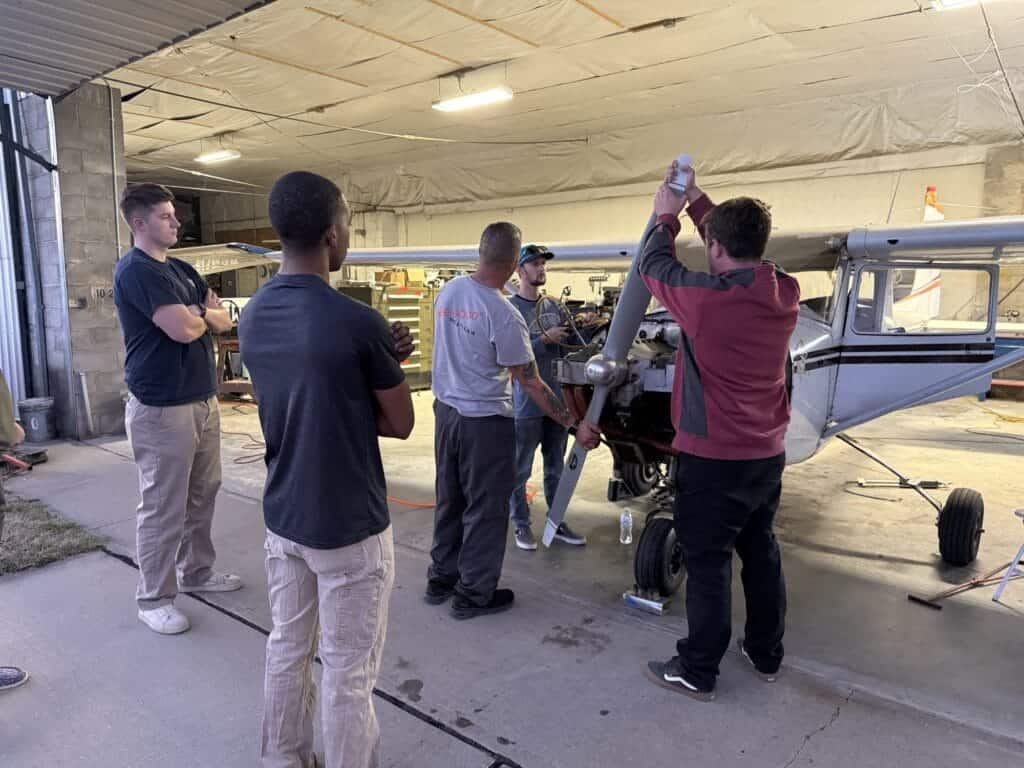
Buying an aircraft is a major investment, and the excitement of finding the right airplane can make it tempting to move quickly. Before signing a purchase agreement or transferring funds, however, an aircraft pre-buy inspection should be one of your highest priorities.
A pre-buy inspection is not simply a formality. It gives the buyer an independent assessment of the aircraft's condition, maintenance history, records, configuration, and potential future expenses.
Most importantly, a pre-buy aircraft inspection is not the same as an annual inspection. An annual is a recurring airworthiness inspection required under applicable FAA regulations. A pre-buy is a buyer-focused evaluation designed to identify purchase risks and help you make an informed decision.
Whether you are purchasing your first Cessna, Piper, Beechcraft, Mooney, or another general aviation aircraft, the following questions and checklist can help you approach the process professionally.
What Is an Aircraft Pre-Buy Inspection?
An aircraft pre-buy inspection, also called a pre-purchase inspection or aircraft inspection before purchase, is an evaluation performed for the prospective buyer before the transaction is completed.
The scope should be agreed upon in advance and tailored to the aircraft's:
- Make, model, and serial number
- Age and total time
- Engine and propeller configuration
- Maintenance history
- Modifications and installed equipment
- Damage or corrosion history
- Intended use
- Location and accessibility
A thorough pre-buy may include records research, logbook review, physical inspection, operational checks, engine evaluation, avionics review, and, when appropriate, a test flight.
The goal is not to guarantee that an aircraft will never need repairs. No inspection can identify every future issue. Instead, the goal is to provide a technically informed picture of the aircraft as it exists at the time of inspection.
Pre-Buy Inspection vs. Annual Inspection
Understanding the difference between these two inspections is essential.
An annual inspection
An annual inspection is a recurring inspection required for many aircraft operated under Part 91. It evaluates the aircraft's conformity and condition according to applicable requirements, including the inspection scope described in 14 CFR Part 43, Appendix D, along with applicable manufacturer instructions and other approved or accepted data.
An annual may result in an approval for return to service, or it may identify discrepancies that must be corrected before the aircraft can be approved for return to service.
A pre-buy inspection
A pre-buy is designed specifically to answer the buyer's questions, such as:
- What condition is the aircraft really in?
- Are the records complete and credible?
- Are there expensive repairs or time-limited items approaching?
- Does the physical aircraft match the logbooks and equipment list?
- Are there signs of corrosion, damage, neglect, or undocumented alterations?
- Is the aircraft a reasonable fit for the buyer's intended mission?
A pre-buy may use an annual-level checklist, but it is not automatically an annual inspection and does not necessarily result in an annual sign-off. The scope should be clearly defined in writing before work begins.
Some buyers choose to have a full annual inspection completed as part of the purchase evaluation. Others request a detailed pre-buy inspection and then arrange a separate annual after closing. Discuss the options with your inspecting A&P or IA.
Questions to Ask Before Scheduling the Inspection
Before committing to the purchase, ask the seller or broker for as much information as possible.
Questions for the seller or broker
- How long have you owned the aircraft?
- Who operated it, and what type of flying was it used for?
- Was it used for flight training, rental, commercial operations, or personal transportation?
- Where was it stored, inside a hangar or outside?
- Are all airframe, engine, and propeller logbooks available?
- Are there missing records or gaps in the maintenance history?
- Has the aircraft had any accident, incident, gear-up landing, prop strike, or hard landing?
- Is there known corrosion or previous corrosion repair?
- Are any major inspections, engine overhauls, propeller overhauls, or component replacements approaching?
- Are there known discrepancies that have not been corrected?
- Are all installed avionics and modifications documented?
- Are there any liens, loans, ownership issues, or title concerns?
The answers should be compared with the logbooks, FAA records, physical aircraft, and any available title documentation. A verbal statement from a seller is not a substitute for records and an independent inspection.
Choose an Independent A&P or IA
The inspector should work for you, not for the seller, broker, lender, or any party whose interests may conflict with yours.
When selecting an inspector, ask:
- Are you an FAA-certificated A&P mechanic or IA?
- Are you familiar with this make and model?
- What inspection checklist will you use?
- Will you review the aircraft records as well as the physical aircraft?
- Will you document discrepancies with photographs?
- Will you distinguish airworthiness items from cosmetic or preference items?
- Will you provide written findings?
- Will you notify me before performing additional work outside the agreed scope?
An inspector who knows the aircraft type may be familiar with recurring problem areas, common corrosion locations, service difficulties, and expensive components that are not obvious during a quick visual review.
At Matta Aviation Services, our aircraft maintenance operation provides professional A&P/IA services, inspections, troubleshooting, repairs, and aircraft support from Freeman Field Airport in Junction City, Kansas.
Records and Logbook Review
A records review is one of the most important parts of a pre-buy aircraft inspection. A clean-looking airplane with incomplete or inconsistent records may create significant ownership and resale problems later.
Your inspector should review:
- Airframe, engine, and propeller logbooks
- Continuity of dates, times, and tachometer readings
- Annual and 100-hour inspection entries, when applicable
- Airworthiness Directive compliance
- Repetitive AD tracking requirements
- Major repairs and alterations
- FAA Form 337 records
- Supplemental Type Certificates and installation records
- Weight-and-balance data
- Equipment lists and aircraft configuration
- ELT inspection and battery information
- Altimeter/static system and transponder checks, when applicable
- Engine and propeller serial numbers
- Component time and overhaul information
Pay close attention to missing logbooks, unexplained gaps, vague maintenance entries, inconsistent total times, and equipment installed without supporting documentation.
The physical aircraft should match the records. If the aircraft has modern avionics, a replacement engine, a modified fuel system, or other major changes, those items should be traceable through appropriate maintenance records and approved data.
ADs, Service Bulletins, and Time-Limited Items
Airworthiness Directives are mandatory requirements applicable to specific aircraft, engines, propellers, appliances, or components. The inspection should include a current AD review based on the aircraft's exact configuration and serial numbers.
Ask the inspector to verify:
- Whether applicable ADs have been complied with
- Whether compliance entries identify the method and date
- Whether recurring ADs are being tracked correctly
- Whether any AD records are incomplete or unclear
Service bulletins, manufacturer inspections, and maintenance recommendations may also be important even when they are not mandatory in the same way as an AD. The inspector should identify items that may affect safety, reliability, resale value, or future maintenance planning.
Engine and propeller time deserve special attention. Ask for:
- Total time and time since overhaul
- Time since major repair or top overhaul
- Propeller time since overhaul or inspection
- Cylinder and compression history
- Oil analysis reports, if available
- Oil filter or screen inspection history
- Magneto and ignition maintenance
- Evidence of leaks, overheating, vibration, or abnormal oil consumption
A component being “within time” does not necessarily mean it is in excellent condition. Condition, documentation, operating history, and manufacturer guidance all matter.
What the Physical Inspection Should Look For
The exact scope will vary by aircraft, but a thorough aircraft inspection before purchase commonly addresses the following areas.
Airframe and structure
- Corrosion in skins, spars, ribs, fittings, and battery areas
- Cracks, loose rivets, damaged fasteners, and improper repairs
- Landing gear, attach points, brakes, and tires
- Control surfaces, hinges, cables, pulleys, and rod ends
- Evidence of repainting or repaired areas
- Signs of previous damage, hard landings, or gear events
- Fuel tanks, lines, vents, drains, and caps
- Windows, doors, latches, and seals
Engine and propeller
- Oil leaks and unusual fluid staining
- Exhaust and induction system condition
- Cylinder compression and engine operation
- Magnetos, ignition wiring, and spark plugs
- Engine mounts and vibration isolators
- Propeller blades, hub, spinner, and installation
- Cooling baffles and airflow management
- Evidence of corrosion or metal contamination
Avionics and systems
- Installed avionics operation
- GPS, radios, transponder, ADS-B, autopilot, and audio panel
- Pitot-static system indications
- Electrical system, battery, alternator, and circuit protection
- Heating, ventilation, oxygen, and environmental systems where installed
- Interior condition, seat belts, restraints, and emergency equipment
Not every item can be fully evaluated without specialized equipment, disassembly, additional testing, or a qualified avionics shop. The report should clearly identify those limitations.
Test Flight: Useful, but Not a Substitute for Inspection
A test flight may provide valuable information about engine performance, temperatures, pressures, vibration, handling, instrument operation, autopilot function, and other systems.
However, a test flight should be performed only when appropriate and legally and operationally permissible. It should not replace a detailed ground inspection and records review.
Ask:
- Who will conduct the test flight?
- What conditions must be met before flight?
- What systems and performance items will be evaluated?
- Will the aircraft be inspected before and after the flight?
- Who is responsible for fuel, pilot, and test-flight expenses?
A test flight can reveal useful information, but it cannot establish that an aircraft is free from defects.
Review the Written Report and Squawk List
The final report should separate findings into practical categories, such as:
- Airworthiness or regulatory concerns
- Safety-related discrepancies
- Significant mechanical or structural issues
- Upcoming maintenance or life-limited items
- Cosmetic or convenience items
- Items requiring additional evaluation
Ask for photographs, measurements, estimated labor, and recommendations when appropriate. A “squawk list” gives the buyer and seller a factual basis for deciding whether to repair, renegotiate, request a price adjustment, or walk away.
The inspector should not be expected to determine the aircraft's market value or legal title. Buyers should consult an aviation attorney, title company, lender, insurance provider, and appropriate FAA resources regarding those matters.
Put the Inspection Terms in Writing
Before work begins, the purchase agreement or separate inspection agreement should address:
- Who selects the inspector
- Who pays for the inspection
- What inspection scope will be used
- Whether panels, inspection plates, fairings, and cowlings may be removed
- Whether an engine borescope or additional testing is authorized
- Who pays for return-to-service work
- Whether the buyer may cancel based on inspection findings
- How discrepancies will be documented
- Whether the seller must correct specific items before closing
- What happens if the aircraft cannot be flown safely to the inspection location
Do not rely on a handshake agreement for a transaction involving a valuable aircraft.
Common Pre-Buy Red Flags
Proceed carefully when you encounter:
- Missing or incomplete logbooks
- Unexplained gaps in aircraft history
- Open or poorly documented ADs
- Unreported damage or repairs
- Structural corrosion
- Engine or propeller history that cannot be verified
- Modifications without supporting documentation
- Significant differences between the aircraft and its equipment list
- A seller who refuses an independent inspection
- Pressure to sign before records are reviewed
- A request to use only the seller's preferred mechanic
One red flag does not automatically determine the outcome, but multiple issues should prompt additional research and professional advice.
Schedule an Aircraft Pre-Buy Inspection in Kansas
A professional pre-buy inspection is a relatively small step compared with the potential cost of unexpected engine work, corrosion repair, avionics corrections, undocumented modifications, or title complications.
Matta Aviation Services provides professional aircraft maintenance and inspection support at Freeman Field Airport in Junction City, Kansas. Our team can help aircraft owners and prospective buyers with inspection planning, records review, troubleshooting, repairs, and maintenance evaluation.
To discuss a pre-buy aircraft inspection or aircraft inspection before purchase, contact Matta Aviation Services at 785-208-4610 or visit our aircraft maintenance services page. You can also contact MAS online.
A pre-buy inspection cannot eliminate every ownership risk, but it can help you understand the aircraft you are considering before you sign.
Frequently Asked Questions
Is a pre-buy inspection required by the FAA?
The FAA does not define a specific “pre-buy inspection” requirement. However, buyers should obtain an independent inspection and records review before purchasing an aircraft. The inspection scope should be agreed upon with the inspector and tailored to the aircraft.
Should a pre-buy inspection include an annual inspection?
It may. Many buyers request an annual-level inspection checklist, while others arrange a separate annual after purchase. A pre-buy should not be assumed to include an annual sign-off unless that work and documentation are specifically agreed upon.
Can I use the seller's mechanic for a pre-buy?
You can, but an independent A&P or IA selected by the buyer generally provides a stronger layer of protection against conflicts of interest. The inspector should be accountable to the buyer and clearly document findings.
What happens if the inspection finds problems?
The buyer may negotiate repairs, request a price adjustment, seek additional evaluation, continue with the purchase, or withdraw according to the purchase agreement. Consult your attorney and other professional advisers regarding contractual decisions.
Does a clean annual mean the aircraft will pass a pre-buy inspection?
No. An annual inspection and a pre-buy serve different purposes. A pre-buy may focus more closely on purchase risks, future expenses, records consistency, configuration, damage history, and issues important to the buyer's intended use.

About the Author
Eddie Matta
FAA A&P IA · CFI · CFII · MEI
Eddie Matta is the owner of Matta Aviation Services at Freeman Field Airport (3JC) in Junction City, Kansas. He holds FAA Airframe and Powerplant (A&P) and Inspection Authorization (IA) certificates and is a CFI, CFII, MEI, AGI, and IGI. He served in the U.S. Army and brings both military and civilian aviation experience to every lesson and inspection.
Ready to Fly?
Book a Discovery Flight
Experience the cockpit at Freeman Field Airport in Junction City, KS. Hands-on flying with a CFI. No experience required.
Start Training
Flight Training Programs
Private Pilot through CFI. Structured training with an experienced instructor serving Junction City, Fort Riley, and Manhattan, KS.